Taking Turns at Home
5–10 min · with a grown-up
 PlayNana
Begin with simple activities and a grown-up. Age is a guide; follow your child's interests and comfort.
5–10 min · with a grown-up
10–15 min · with a grown-up
10 min · with a grown-up
10–15 min · with a grown-up
15 min · with a grown-up
10 min · with a grown-up
15 min · with a grown-up
10–15 min · with a grown-up
10 min · with a grown-up
15–20 min · with a grown-up
15–20 min · with a grown-up
10 min · with a grown-up
5–10 min · with a grown-up
10 min · with a grown-up
10–15 min · with a grown-up
5–10 min · with a grown-up
15 min · with a grown-up
15–20 min · with a grown-up
10–15 min · with a grown-up
10 min · with a grown-up
Drag each animal to its shadow, or tap the animal and then its matching shadow.
Turn over cards and find every pair. Take your time.
Follow the number paths with your finger or mouse.
Trace uppercase A–E, one stroke at a time.
Count cups of water. Too little makes the tree wilt; too much overflows.
Choose suitable clothes or actions for the weather.
Listen to a short tune, then play it back.
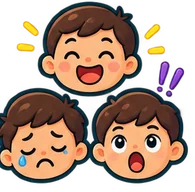
Talk about feelings and helpful ways to ask for support.
Place geometric shapes into the matching spaces.
Count the fruit, then choose a number. Tap each fruit to keep count.
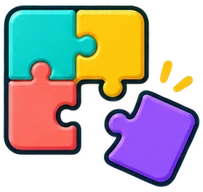
Put four or six pieces together. Tap a piece, then its space.
Reach the goal using the arrow buttons, nearby squares or your keyboard.
Choose a group with the same colour or shape as the example.
Take objects away one at a time, then count what is left.
Listen to an object name or clue and choose its picture.
Put everyday actions in order, then try them together at home.
Take turns pointing, giving clues and sharing stories. No scores or race.
Match everyday objects to reading, eating, dressing, resting or cleaning.
Put the ball above, below, inside or outside the box.
Put picture cards in order and tell the story together.
Choose a picture or mosaic, colour it and download your artwork.
Count a small group and choose its number.
Match each numeral to a group with the same amount.
Put the numbers in order from smallest to largest.
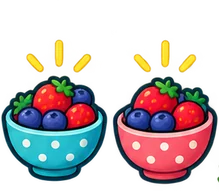
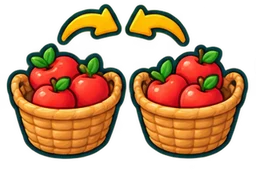
Compare two groups and choose more or fewer.
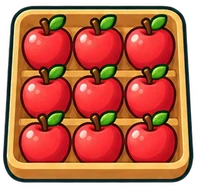
Add the fruit in two trays, then choose the total.
Find how many more are needed.
Choose the shape that matches the example.
Find matching shapes, even when their sizes differ.
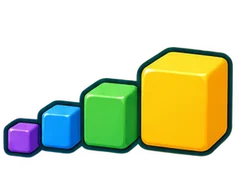
Put shapes in order from smallest to largest.
Spot the two-part pattern and choose what comes next.
Follow a three-part repeating pattern.
Look carefully and choose the different shape.